The Jobs Museum
The Past and Future of Work
We explore how professions emerge, evolve, and disappear to help people understand the future of work. The Jobs Museum is a digital archive of past jobs and future roles.

Lamp Lighter
Victorian Era
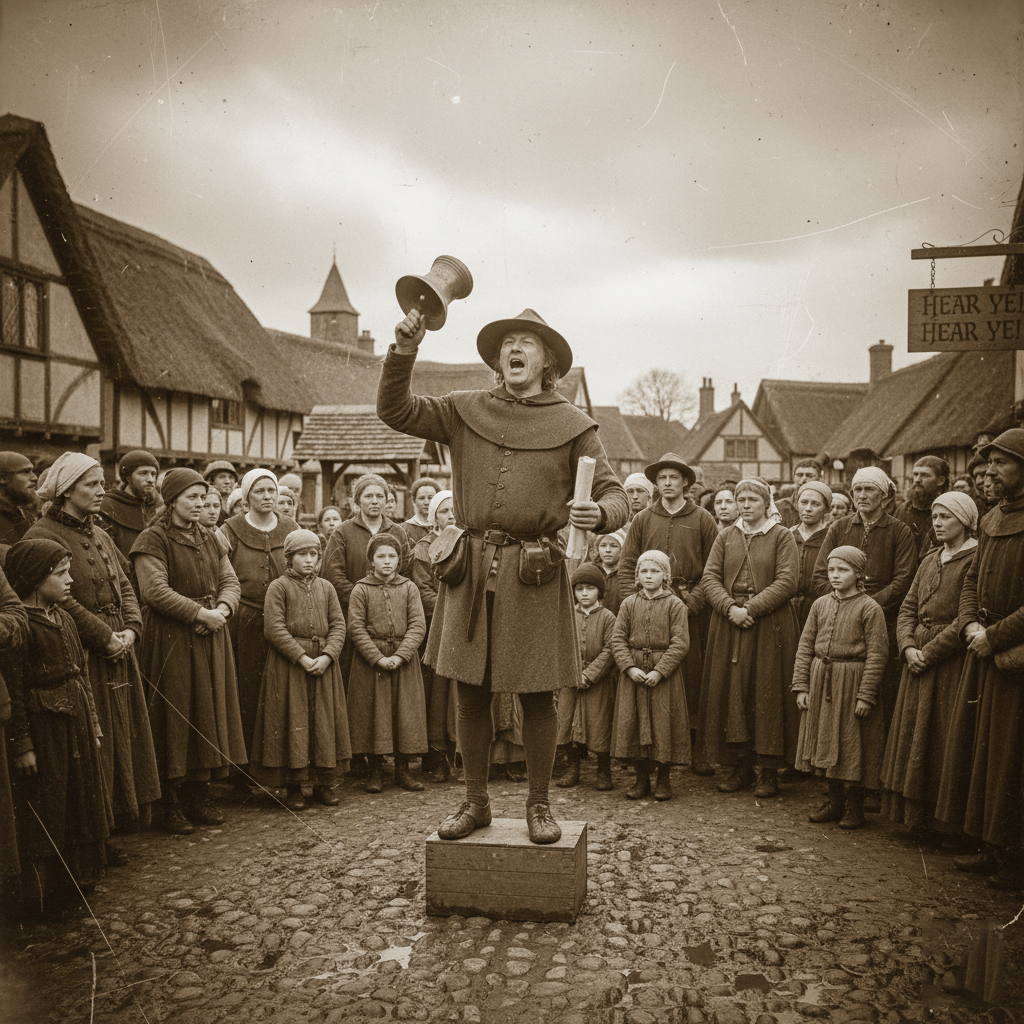
Town Crier
Medieval Period
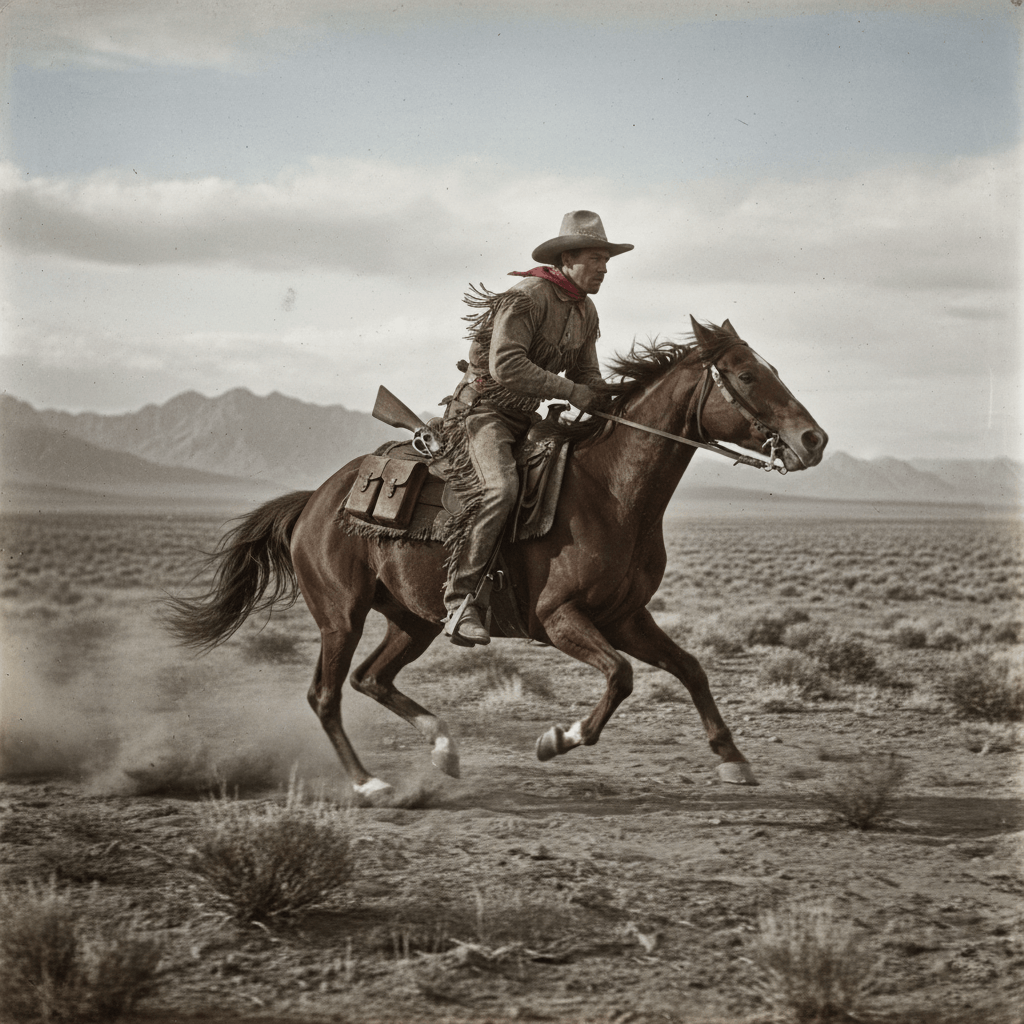
Pony Express Rider
Mid 19th Century
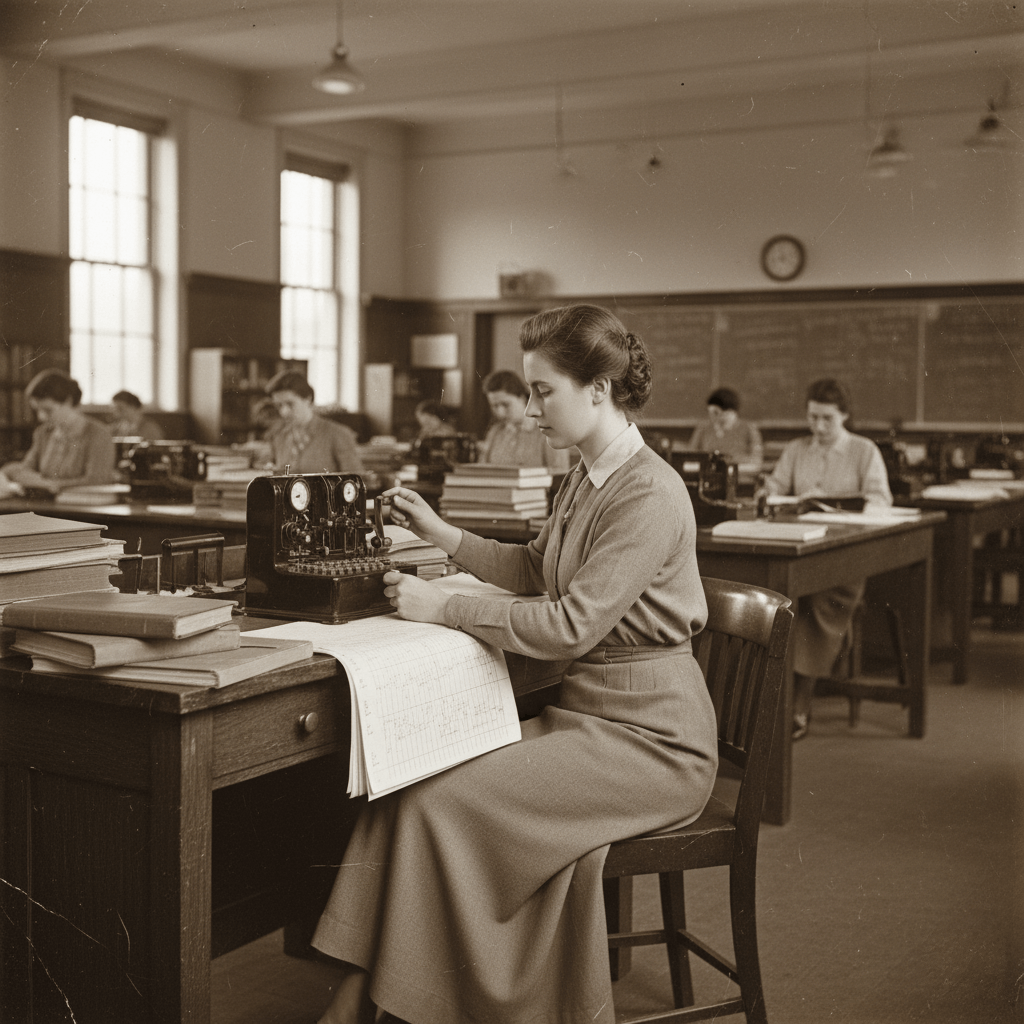
Human Computer
20th Century
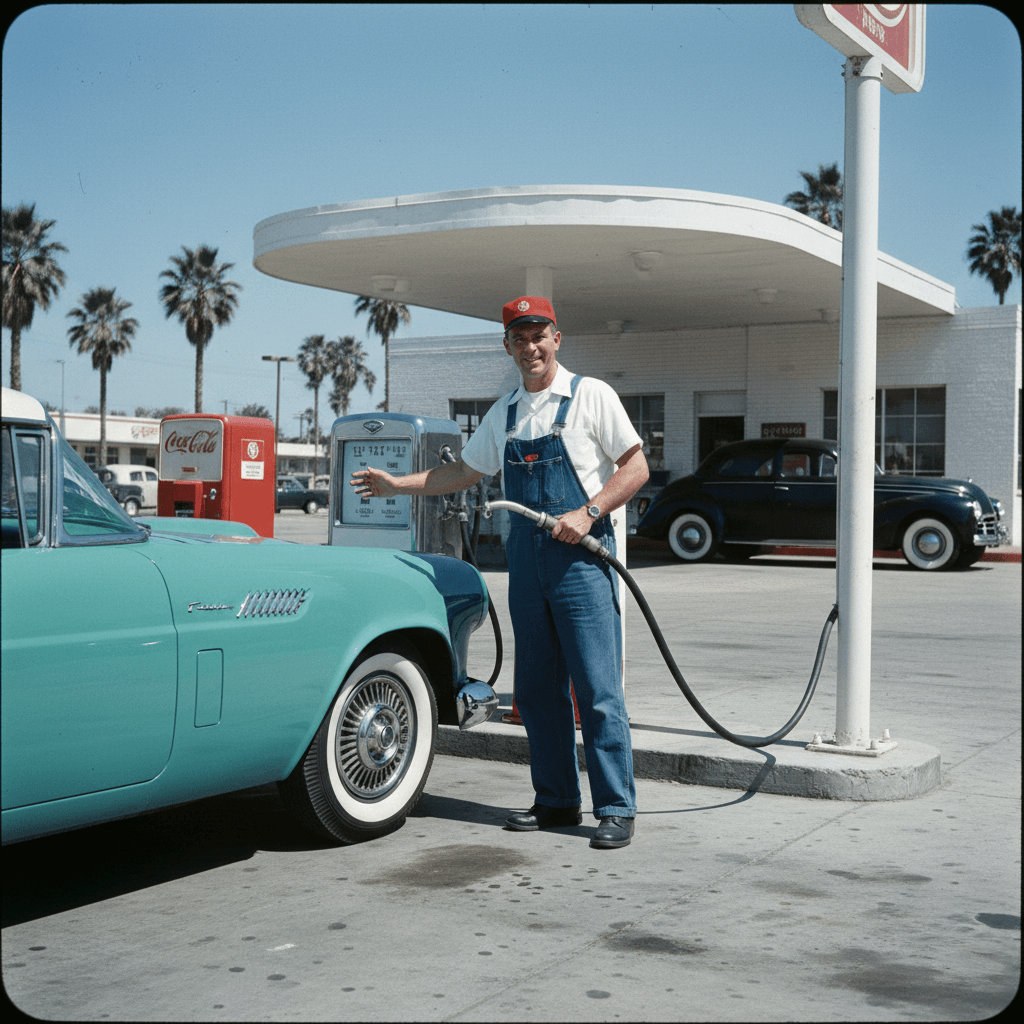
Gas Station Attendant
Post-War Era
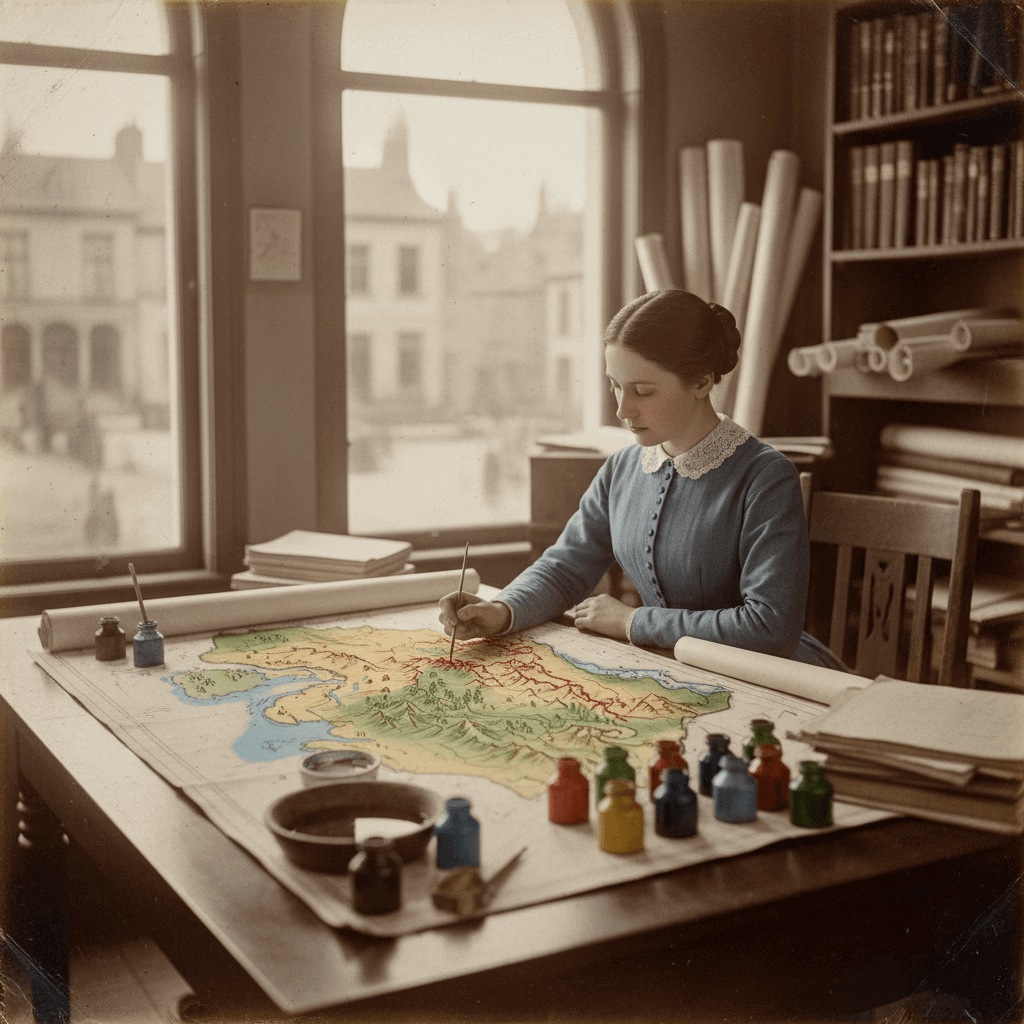
Map Colourist
Victorian Era
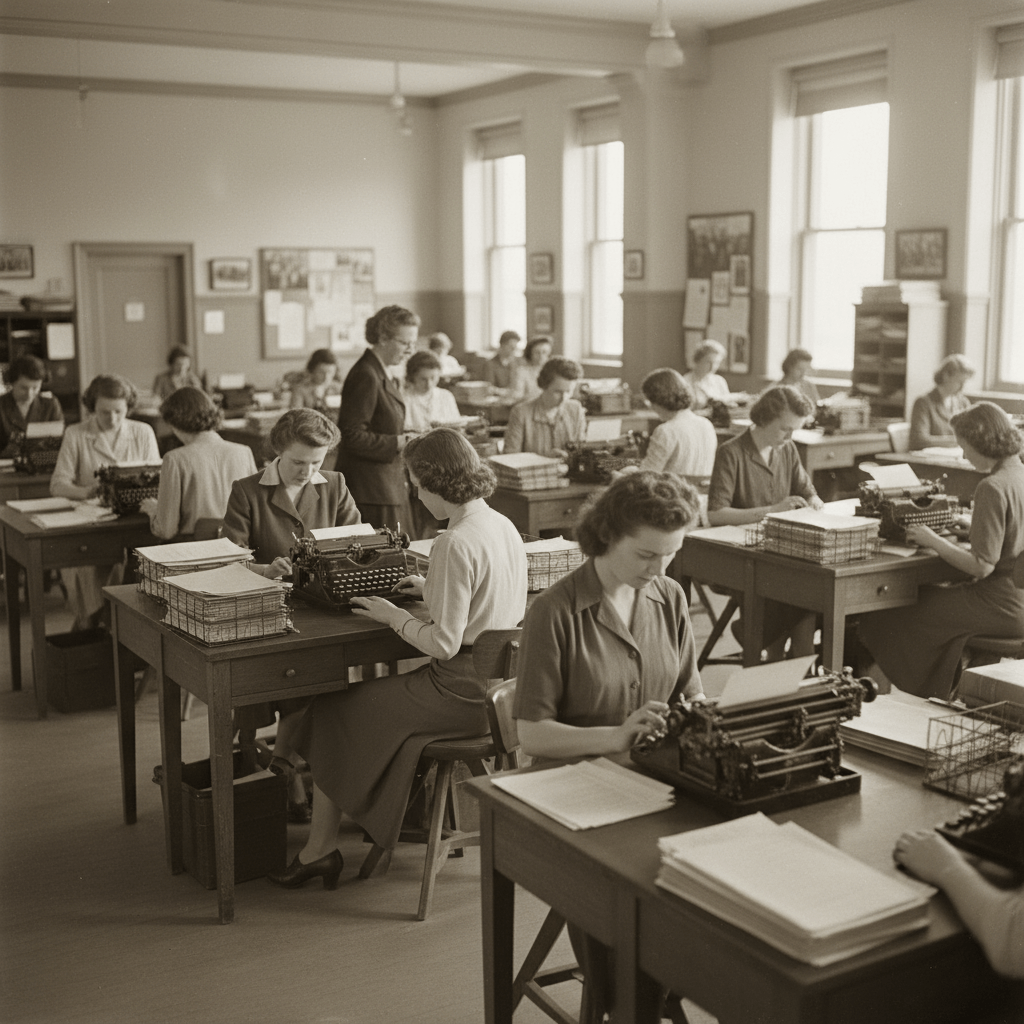
Typist Pool Worker
Post-War Era
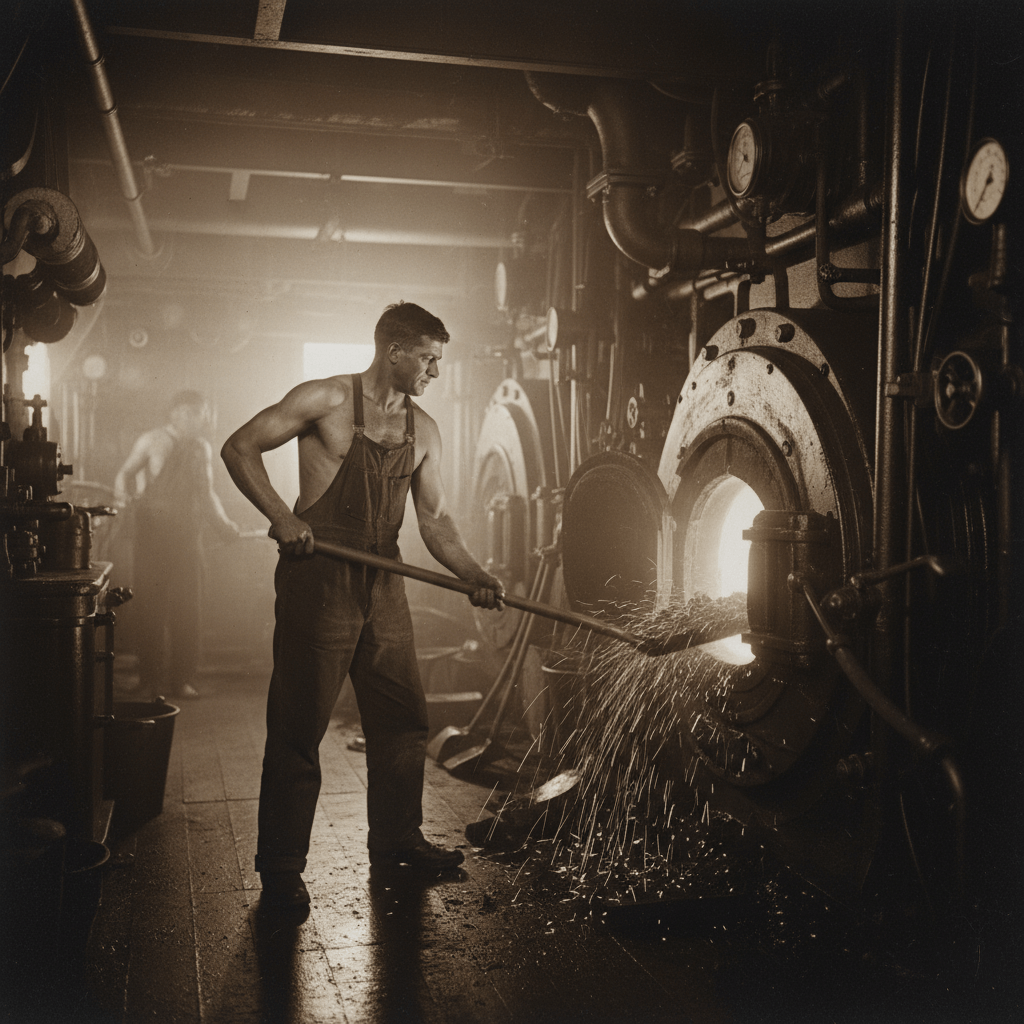
Coal Stoker
Industrial Revolution
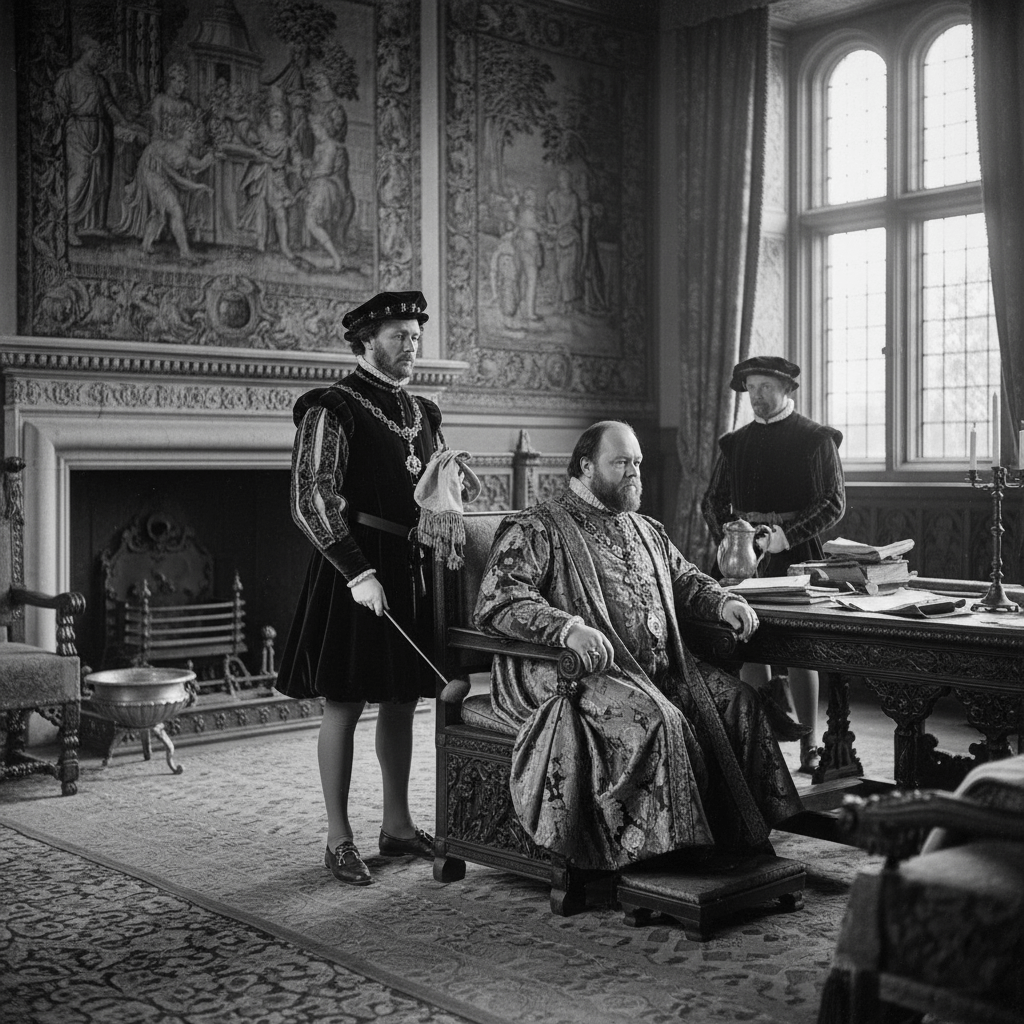
Groom of the Stool
Tudor Period
Lamp Lighter
Victorian Era
Town Crier
Medieval Period
Pony Express Rider
Mid 19th Century
Human Computer
20th Century
Gas Station Attendant
Post-War Era
Map Colourist
Victorian Era
Typist Pool Worker
Post-War Era
Coal Stoker
Industrial Revolution
Groom of the Stool
Tudor Period
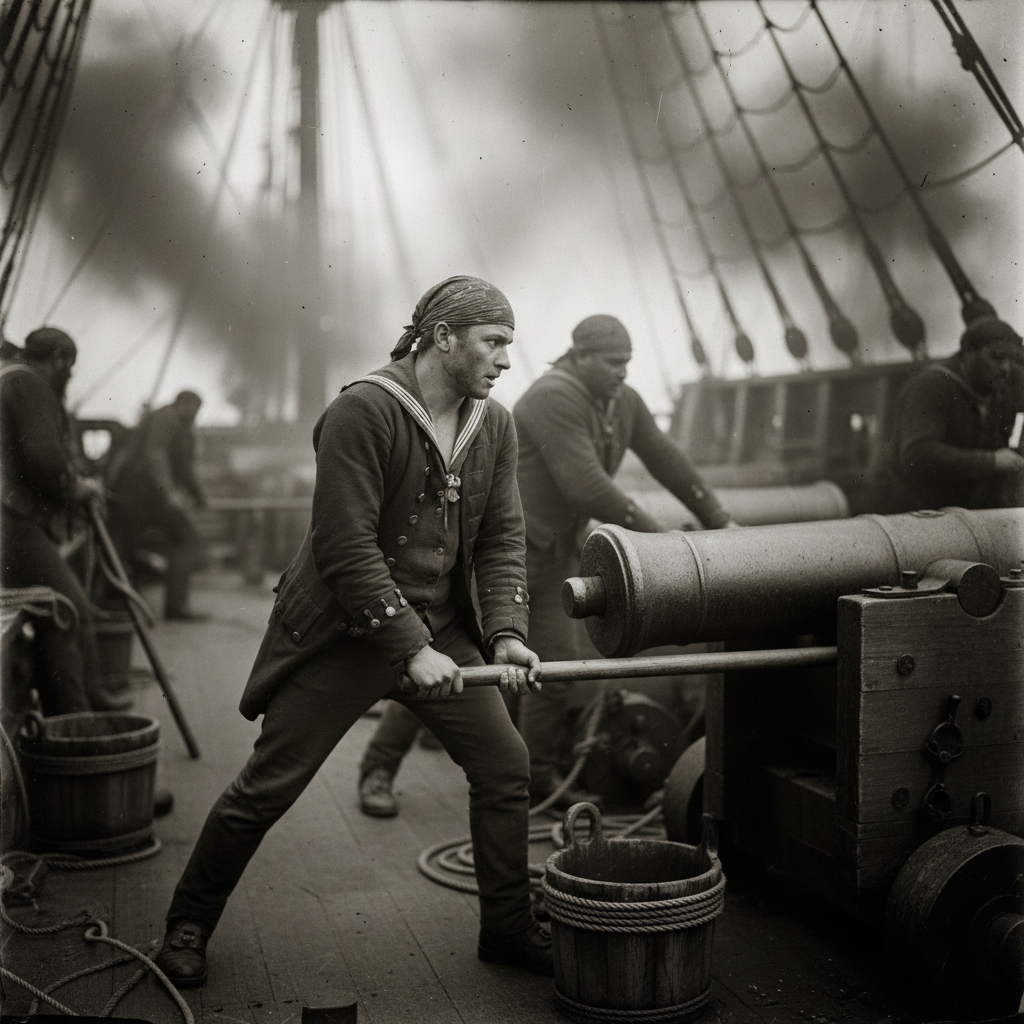
Powder Monkey
Age of Exploration
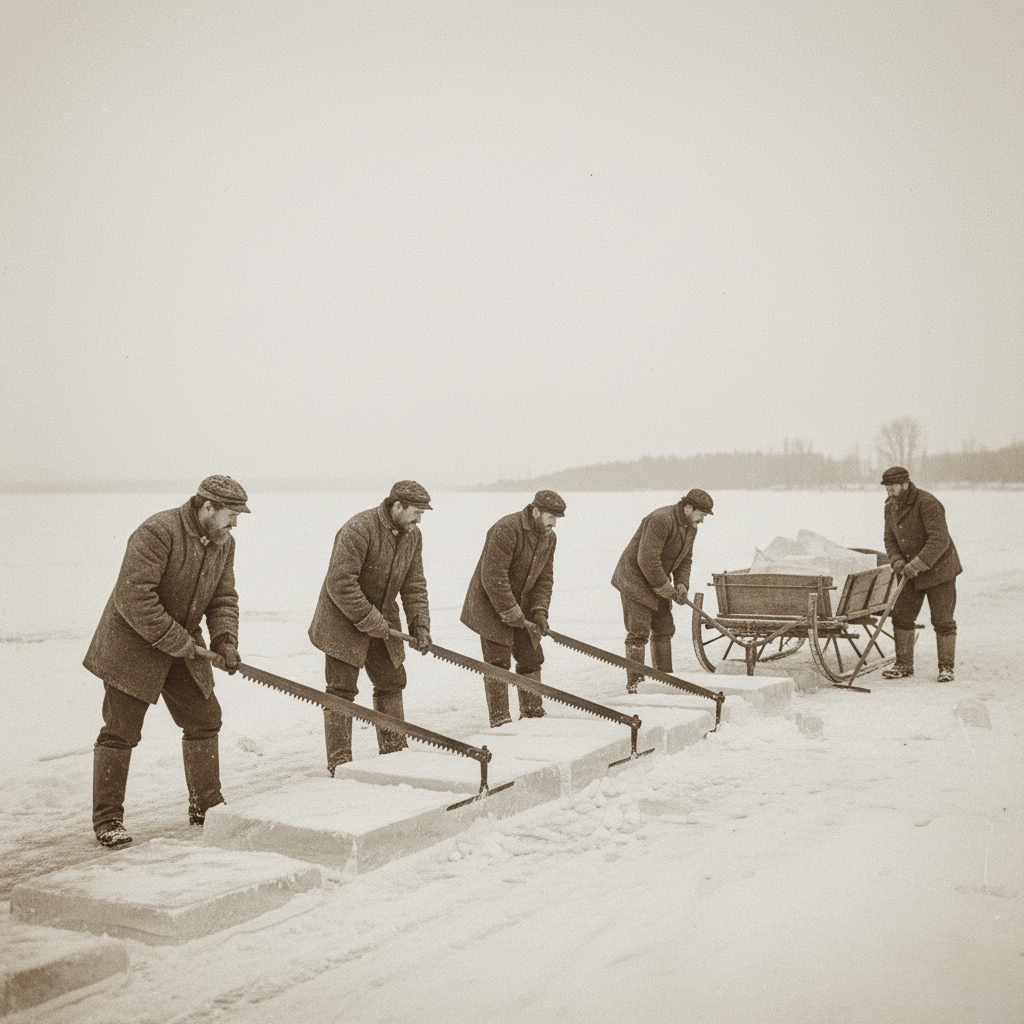
Ice Cutter
19th Century
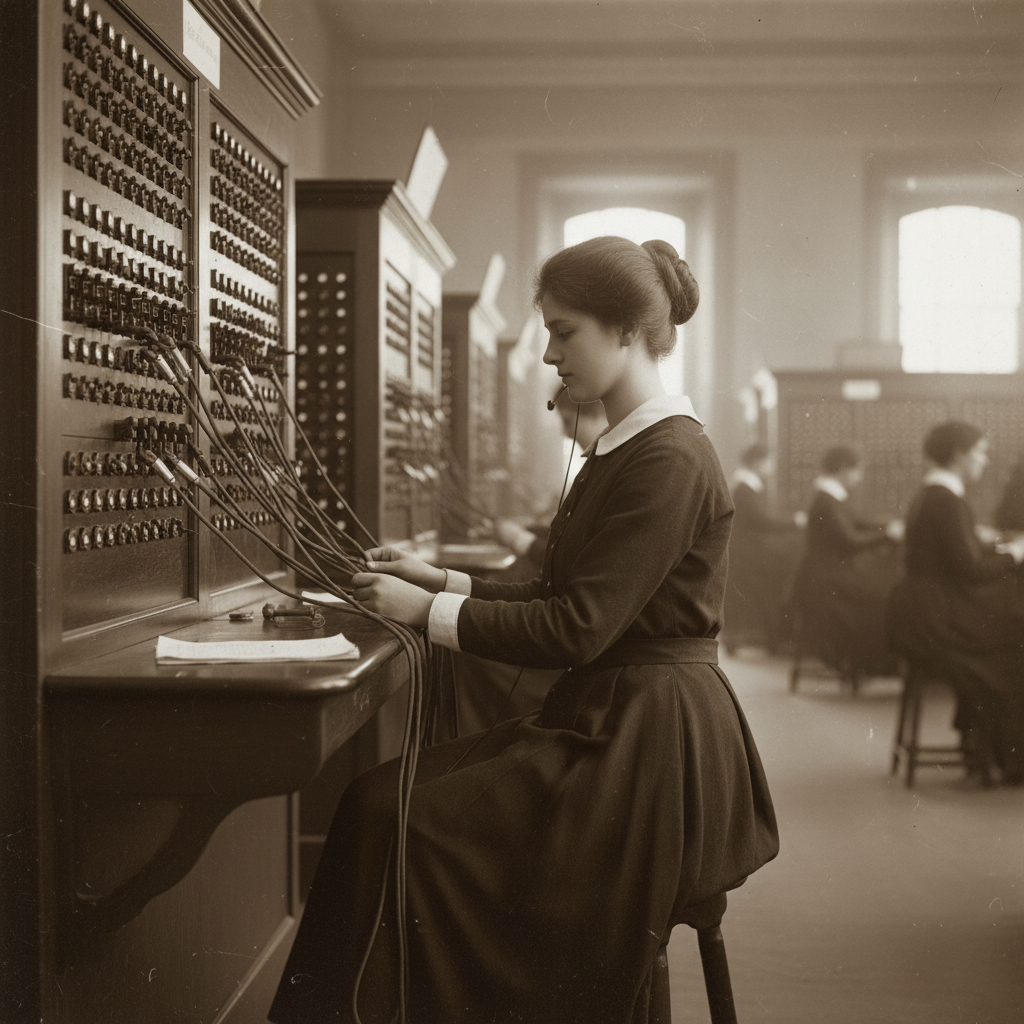
Switchboard Operator
Industrial Revolution
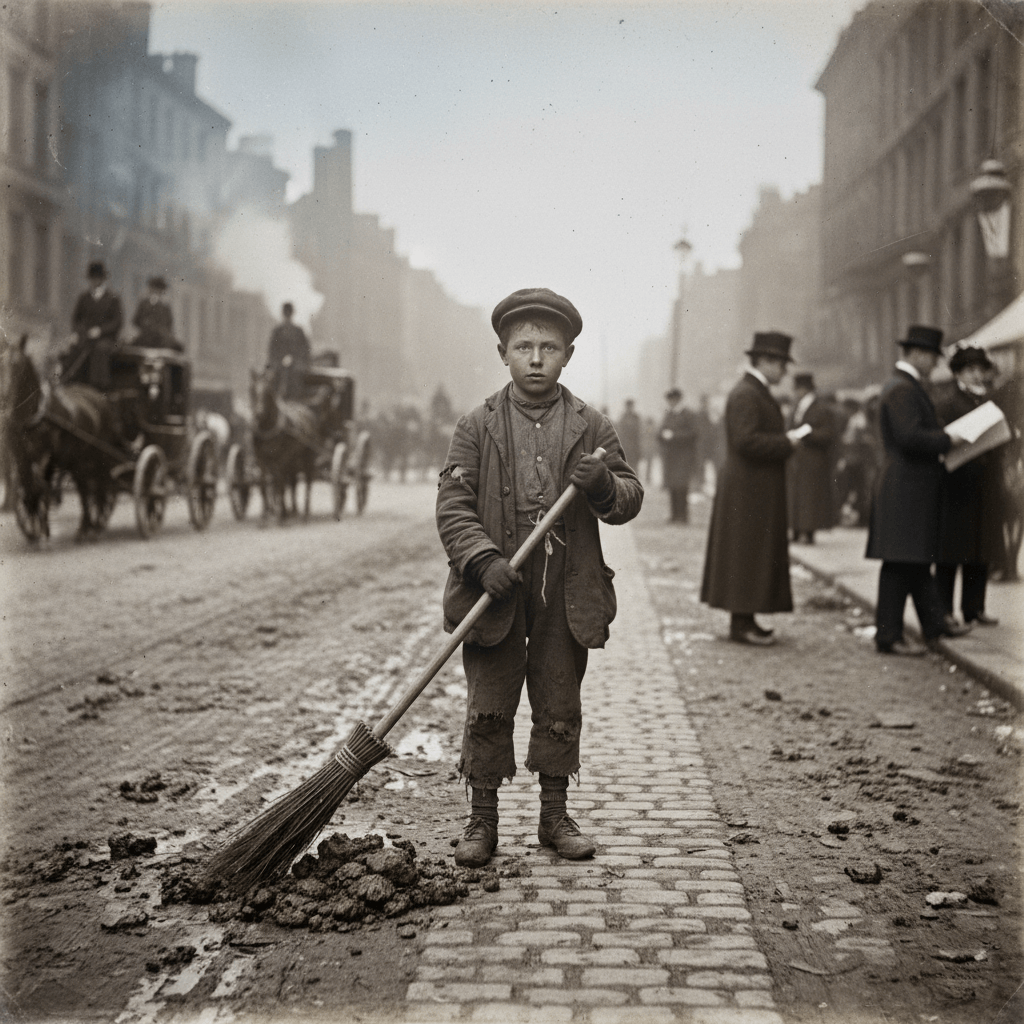
Crossing Sweeper
Victorian Era
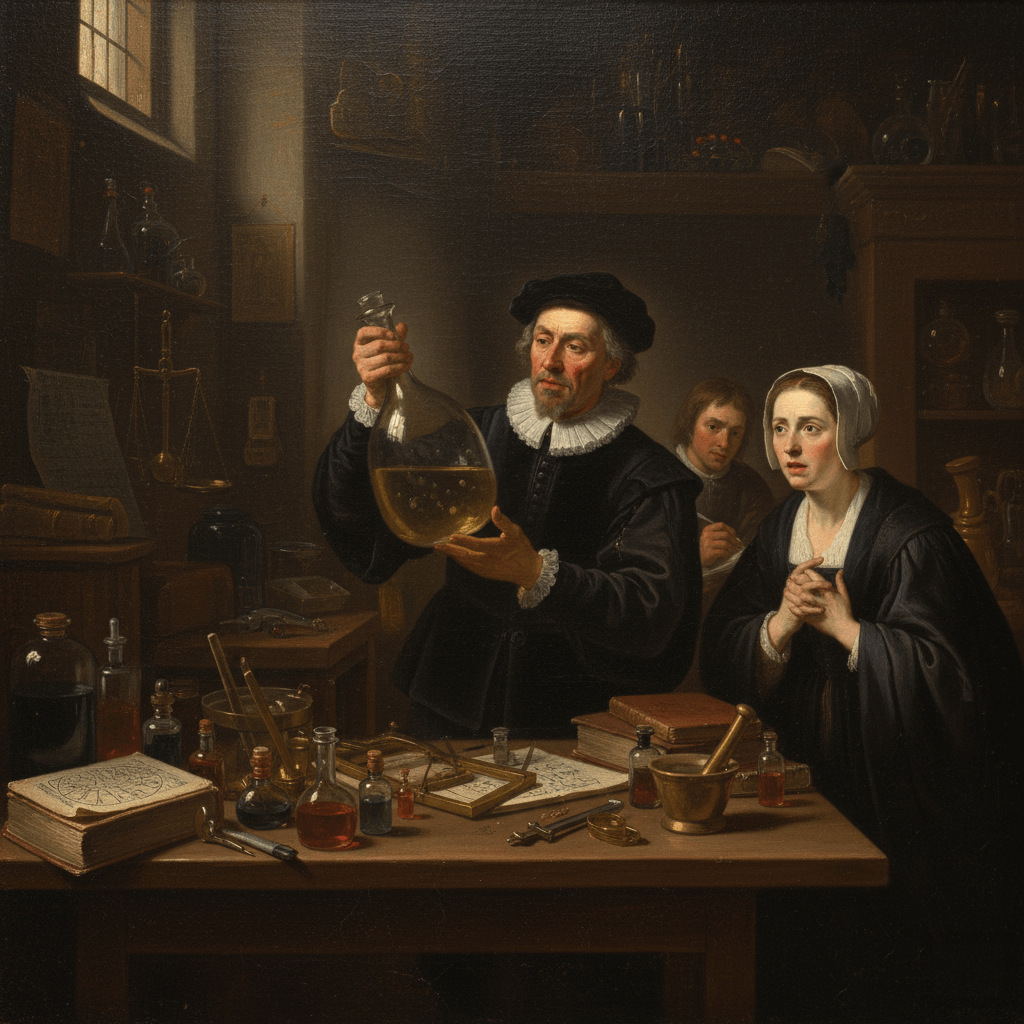
Piss-Prophet
Medieval Period
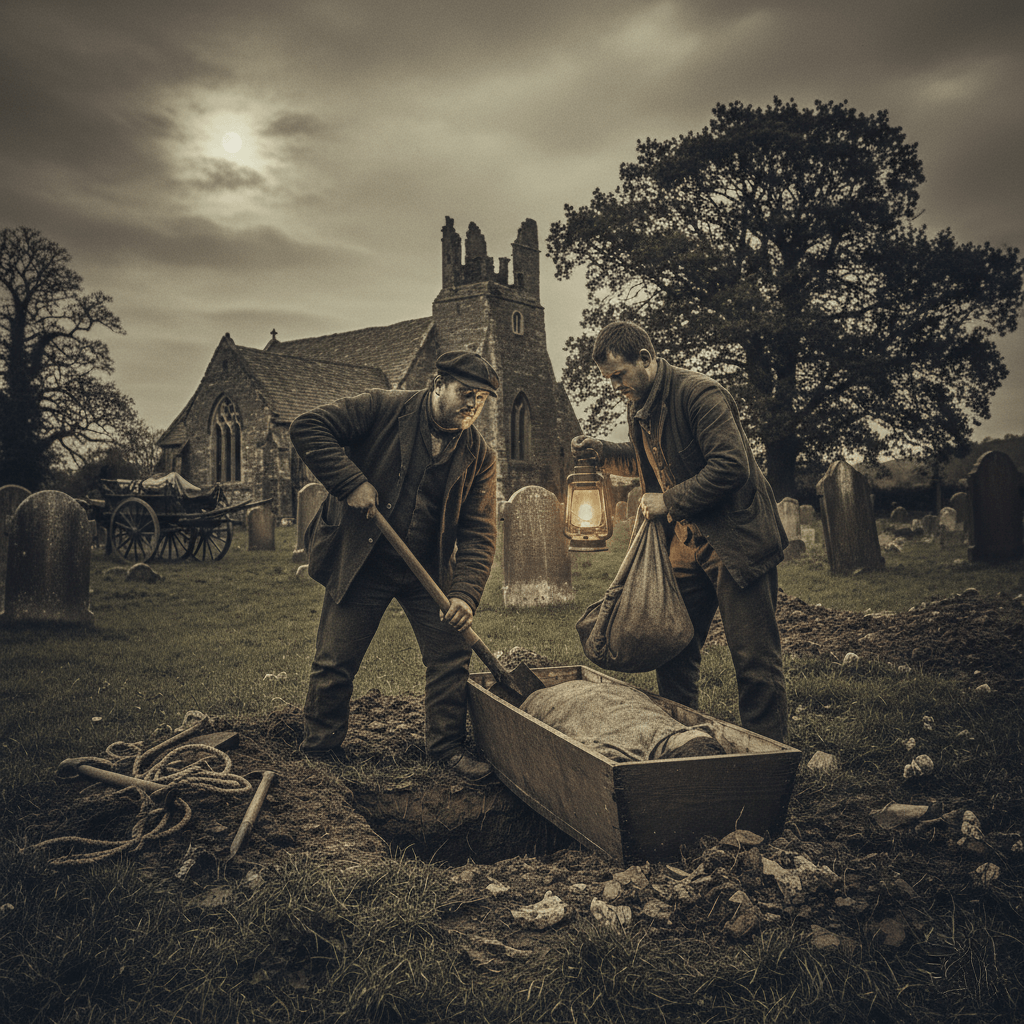
Resurrectionist
Victorian Era
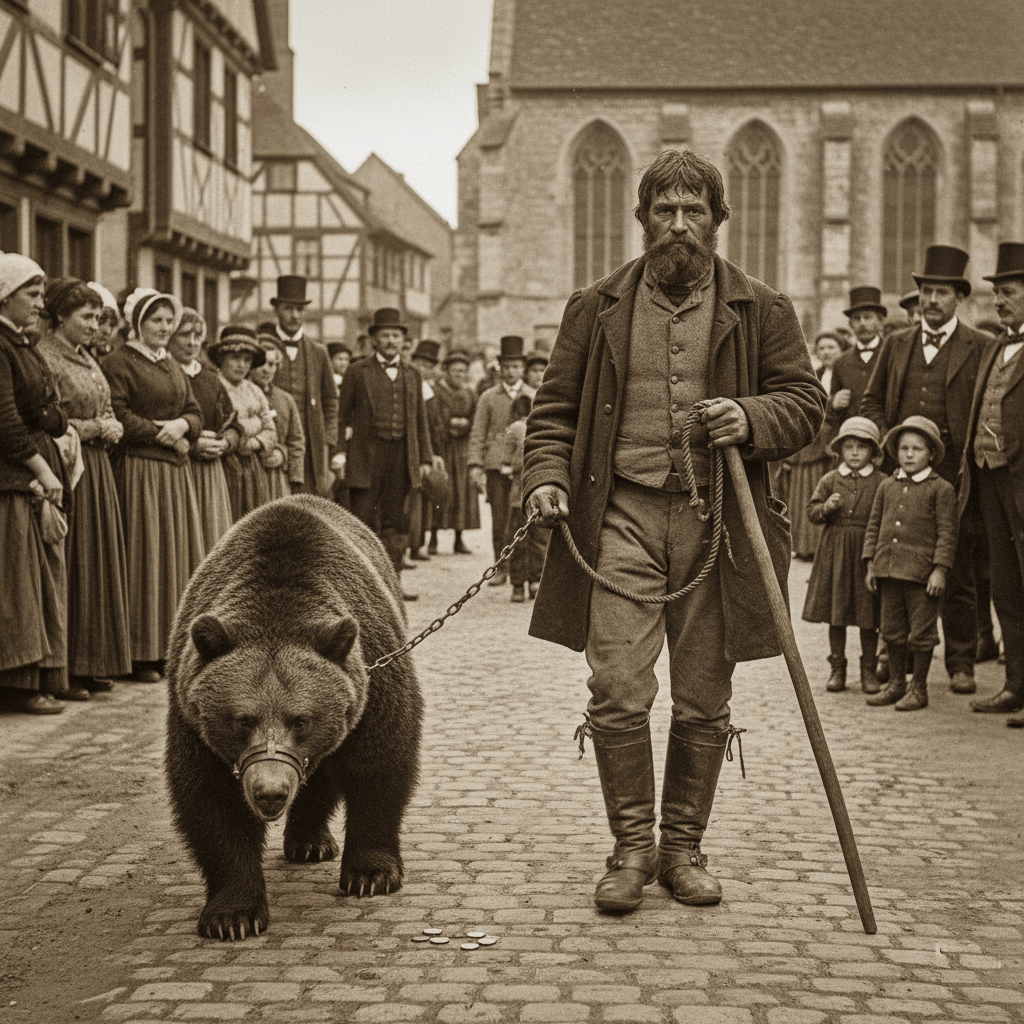
Bear-Leader
Victorian Era
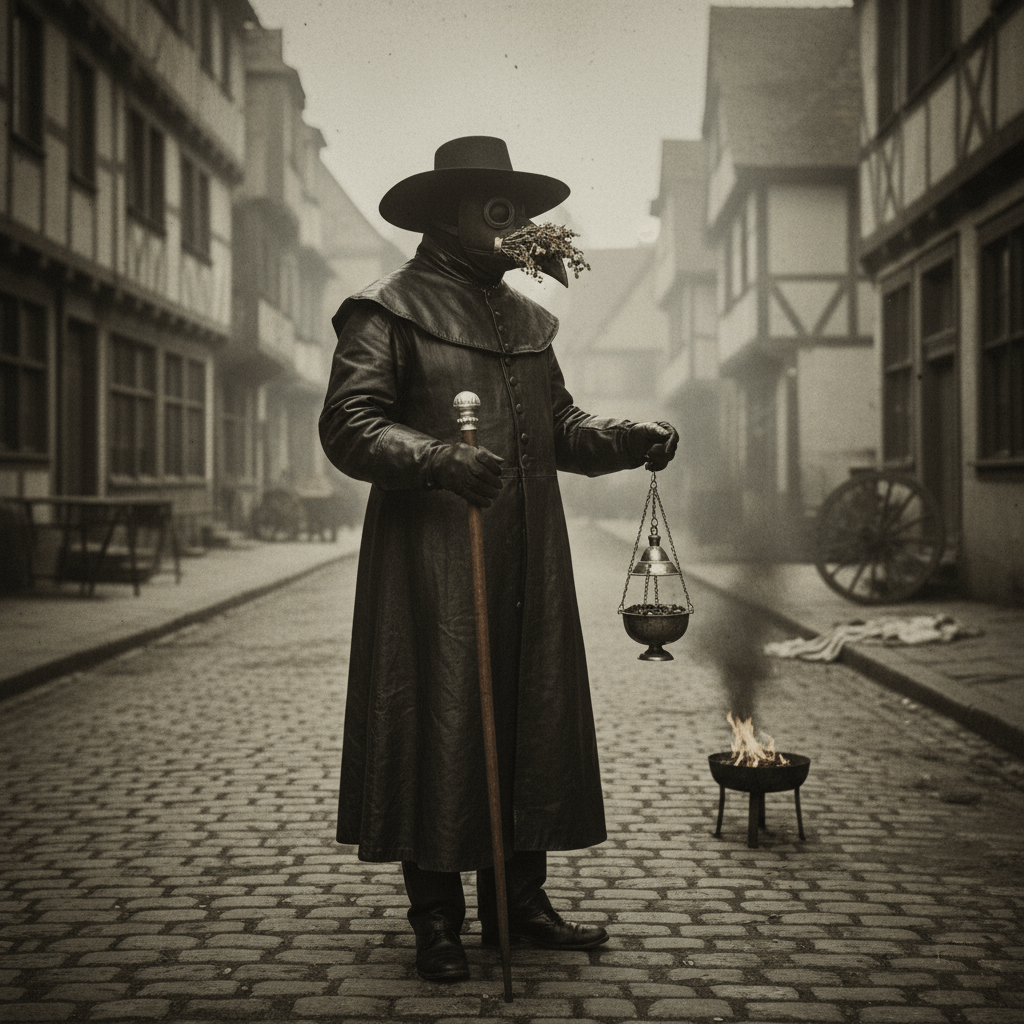
Plague Doctor
Medieval Period
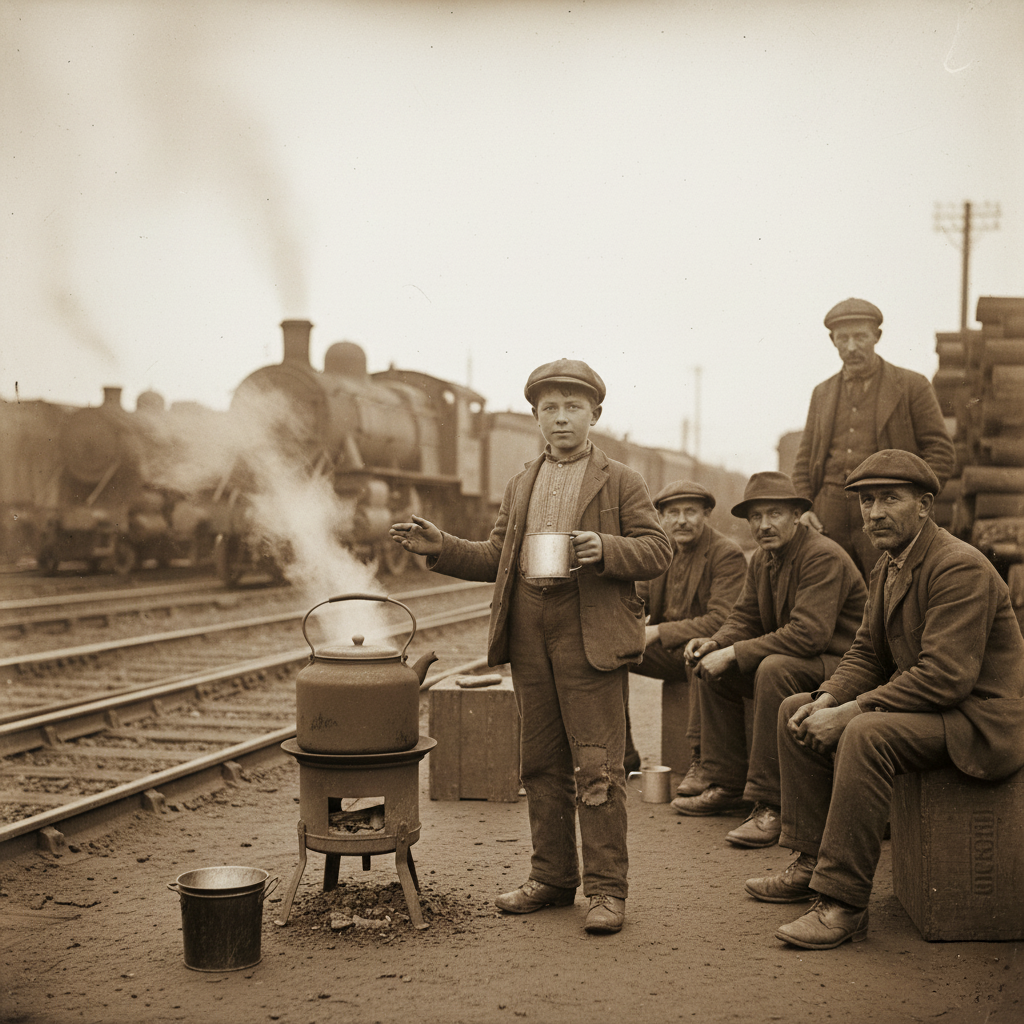
Billy Boy
Victorian Era
Powder Monkey
Age of Exploration
Ice Cutter
19th Century
Switchboard Operator
Industrial Revolution
Crossing Sweeper
Victorian Era
Piss-Prophet
Medieval Period
Resurrectionist
Victorian Era
Bear-Leader
Victorian Era
Plague Doctor
Medieval Period
Billy Boy
Victorian Era
Past Exhibits
Professions of Yesterday
These roles shaped the world we know today. They represent human ingenuity, adaptability, and the dignity of work across generations. Their skills live on in new forms.
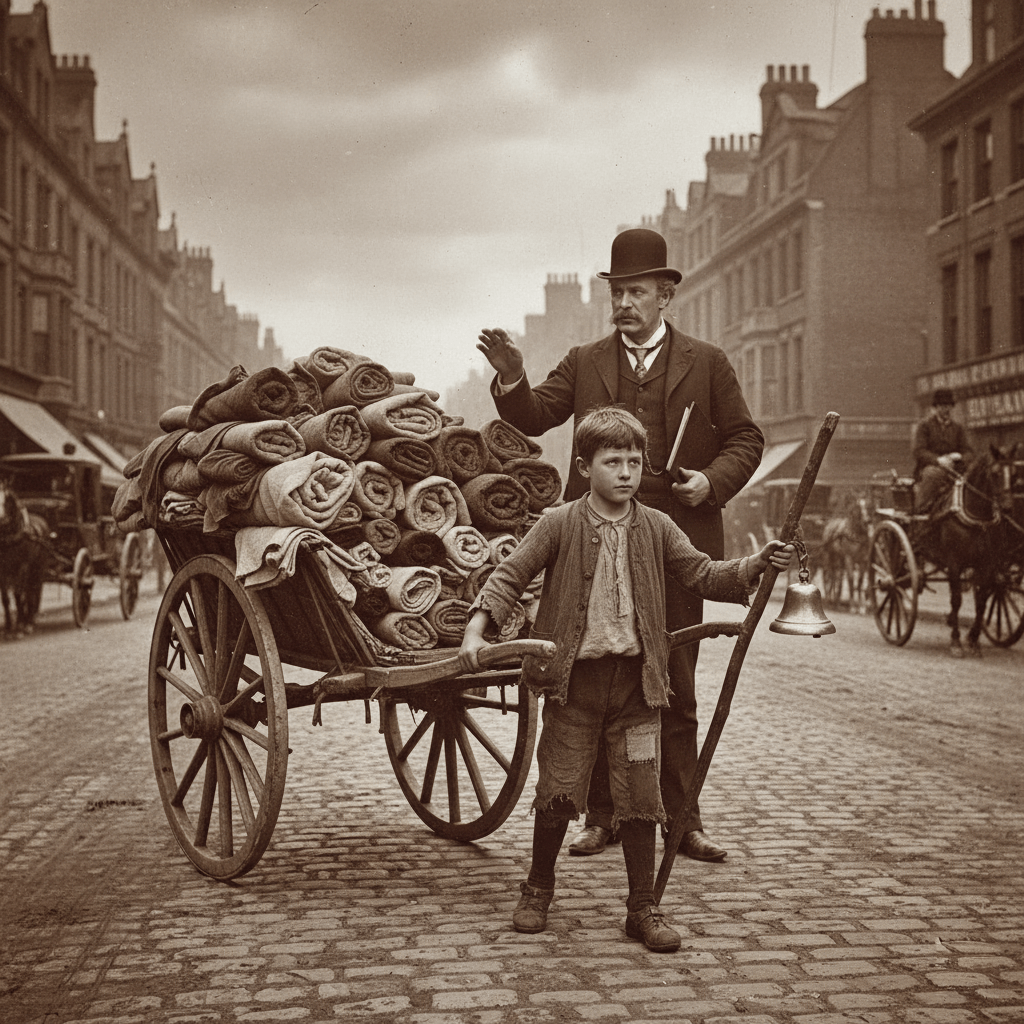
Towel Horse
The towel horse was a common fixture in Victorian households, serving as a practical solution for drying and airing out freshly laundered towels. This job involved the creation and maintenance of these wooden frames, which were designed to hold towels in a way that maximized air circulation and minimized mildew. Craftsmen known as towel horse makers would construct these items from sturdy wood, often incorporating decorative elements to enhance their aesthetic appeal. The towel horse was not merely a functional item; it was a symbol of domesticity and cleanliness in an era that placed great emphasis on hygiene and the proper management of household chores. In the bustling homes of the Victorian middle class, the towel horse was an essential accessory, often placed in bathrooms or near wash basins. It allowed families to dry their towels efficiently, reflecting the era's values of order and propriety. The towel horse was typically designed with multiple rungs or bars, allowing several towels to be hung at once, and was often collapsible for easy storage. As the Victorian Era progressed, the towel horse became a staple in many households, with variations in design reflecting the tastes and preferences of the time. Craftsmen took pride in their work, often handcrafting each piece with attention to detail, ensuring that the towel horse was both functional and visually appealing. However, as the 20th century approached, the advent of modern plumbing and the introduction of electric dryers began to change domestic practices. The need for towel horses diminished as households adopted new technologies that made drying towels faster and more efficient. The towel horse, once a common sight in homes, gradually faded into obscurity, becoming a relic of a bygone era.
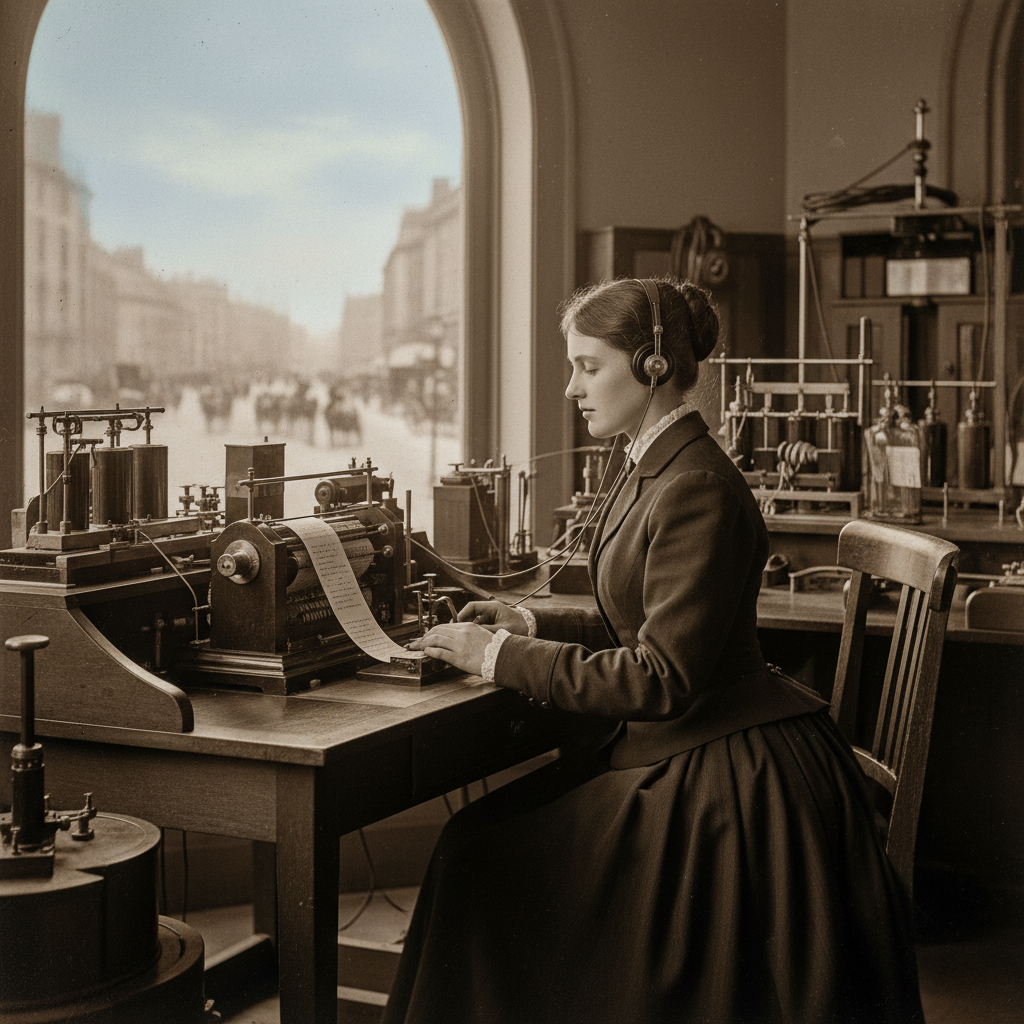
Morse Code Decoder
The role of a Morse Code Decoder emerged in the mid-19th century, coinciding with the advent of the telegraph. This job was pivotal in the communication revolution, allowing messages to be transmitted over long distances using a series of dots and dashes representing letters and numbers. Morse Code Decoders were responsible for interpreting these signals, translating them into readable text, and ensuring that vital information was accurately conveyed. They played a crucial role in various sectors, including military operations, maritime communication, and commercial enterprises, where timely information was essential for decision-making and coordination. The work environment for a Morse Code Decoder was often dynamic and fast-paced. Decoders typically operated in telegraph offices, military command centers, or aboard ships, where they would listen intently to the rhythmic sounds of the telegraph machine. The ability to quickly and accurately decode messages was paramount, as delays could lead to misunderstandings or missed opportunities. The job required not only technical skill but also a keen sense of urgency and attention to detail, as decoders often worked under pressure, especially during critical communications.
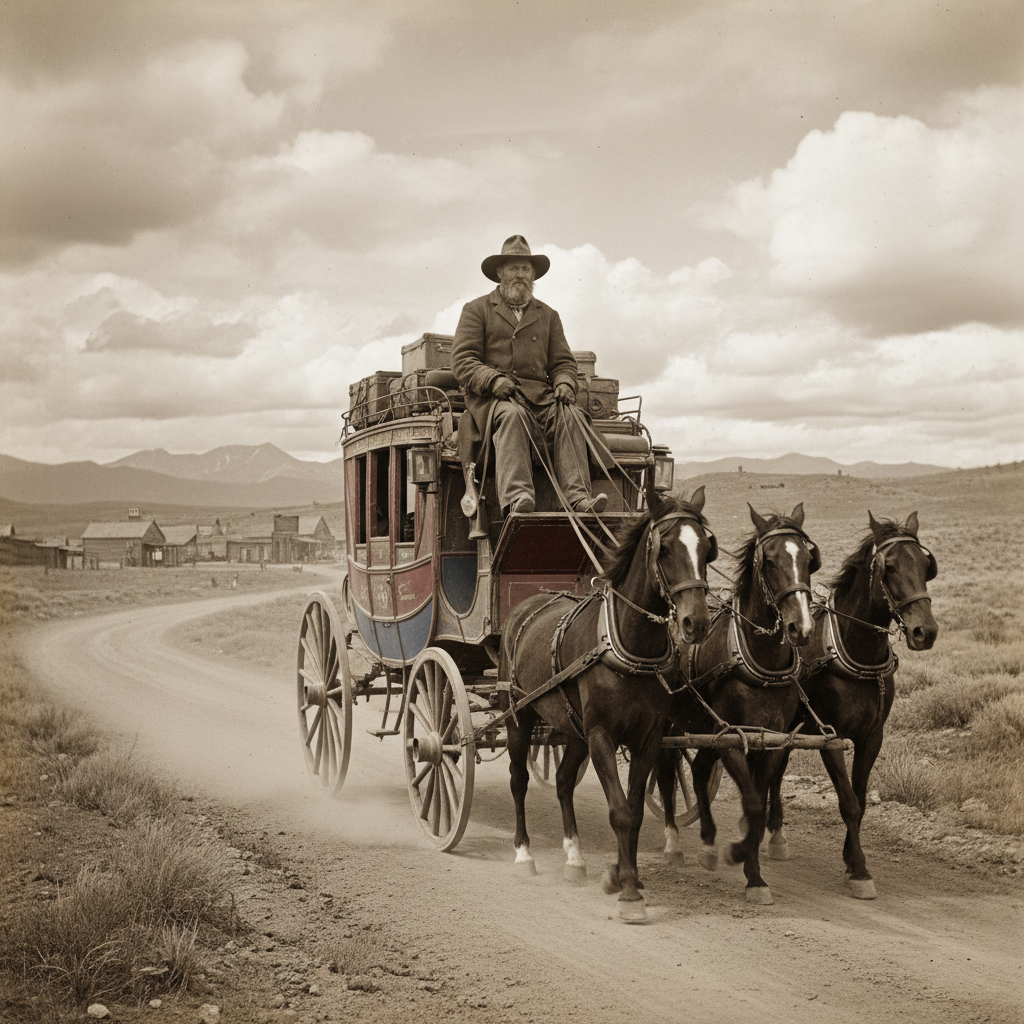
Stagecoach Driver
The stagecoach driver, a vital figure in the 19th century, was responsible for transporting passengers and goods across vast distances in horse-drawn coaches. These drivers navigated rugged terrains, often through treacherous weather conditions, ensuring the safety and comfort of their passengers. The stagecoach itself was a marvel of engineering, designed to carry multiple passengers and their luggage, while the driver skillfully managed a team of horses, often up to six, to pull the heavy vehicle. The role required not only a deep understanding of the horses and the coach but also an intimate knowledge of the routes, including potential hazards such as rough roads, rivers, and bandit-infested areas. Stagecoach drivers were often seen as the lifeline of communication and commerce in the expanding American West, connecting remote settlements with urban centers and facilitating the movement of mail and goods.
Future Exhibits
Professions of Tomorrow
Emerging roles grounded in real trends and genuine human needs. These professions represent opportunities—not predictions—for those ready to adapt and grow.
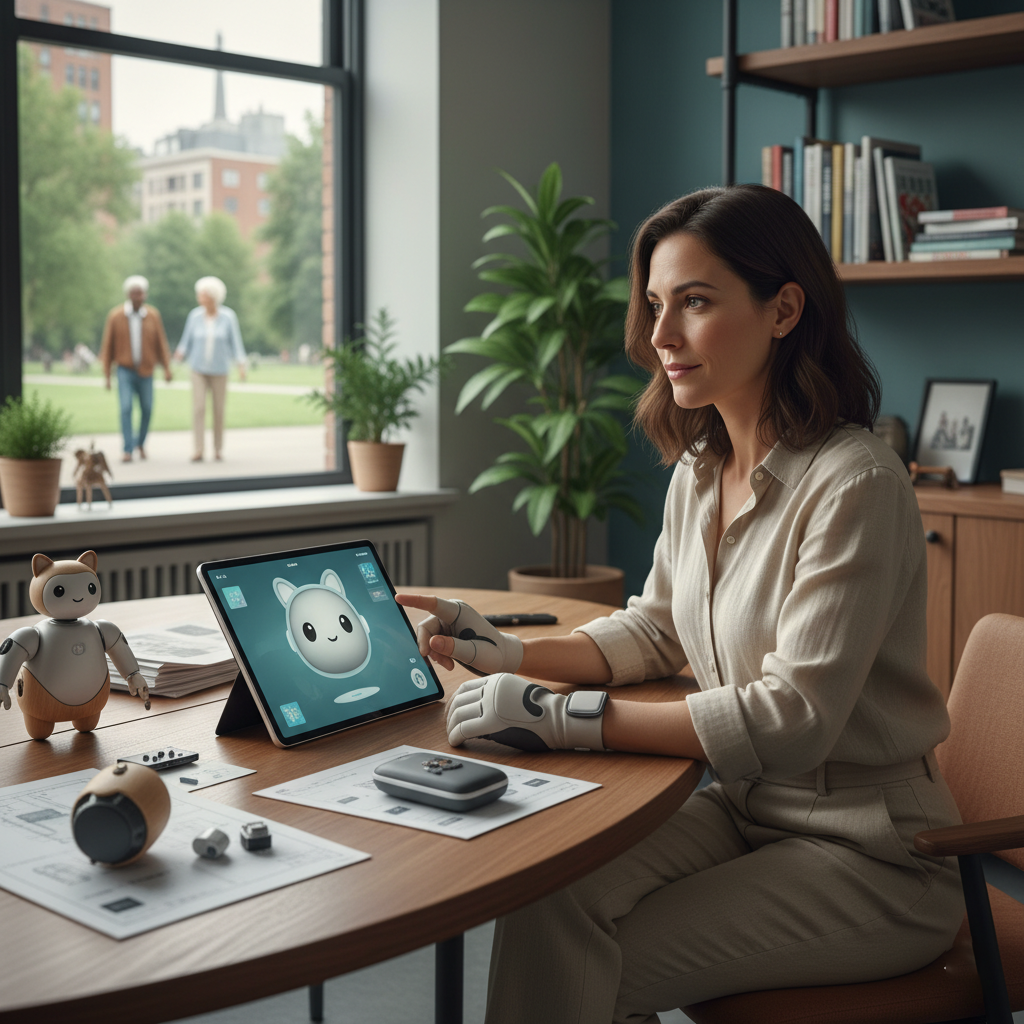
AI-Powered Eldercare Companion Designer
In the not-so-distant future, as the global population ages and the demand for personalized care increases, the role of the AI-Powered Eldercare Companion Designer emerges as a vital profession. This innovative job combines the fields of artificial intelligence, healthcare, and human-centered design to create intelligent companions that assist the elderly in their daily lives. These companions, equipped with advanced AI algorithms, are designed to provide emotional support, monitor health conditions, and facilitate social interactions, all while adapting to the unique needs and preferences of each individual. The designer's role is not only to develop the technology but also to ensure that these companions foster meaningful connections, enhance quality of life, and promote independence among seniors. As society grapples with the challenges of an aging population, this profession stands at the intersection of compassion and technology, paving the way for a more inclusive future.
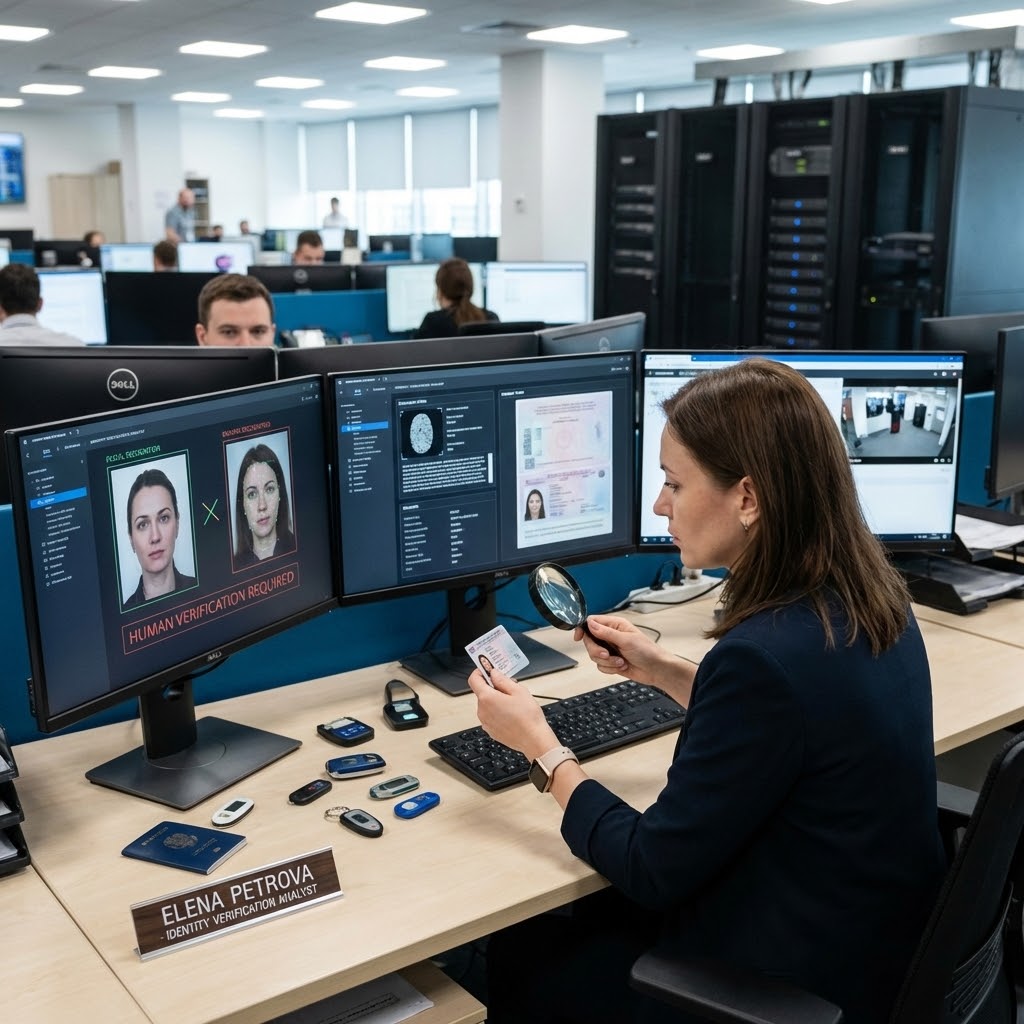
Identity Verification Analyst
In an increasingly digital world, the role of the Identity Verification Analyst emerges as a crucial safeguard against identity fraud and cybercrime. This position is pivotal in ensuring that individuals and organizations can trust the identities of those they interact with online. As technology evolves, so too do the methods of verification, requiring analysts to stay ahead of the curve in understanding both human behavior and technological advancements. The Identity Verification Analyst utilizes advanced AI algorithms, biometric data, and behavioral analytics to assess the authenticity of identities presented in various digital transactions. They work closely with cybersecurity teams, legal advisors, and compliance officers to develop robust verification protocols that protect sensitive information while ensuring a seamless user experience. This role not only demands technical expertise but also a deep understanding of the ethical implications surrounding privacy and data security, making it a vital component of the digital economy.
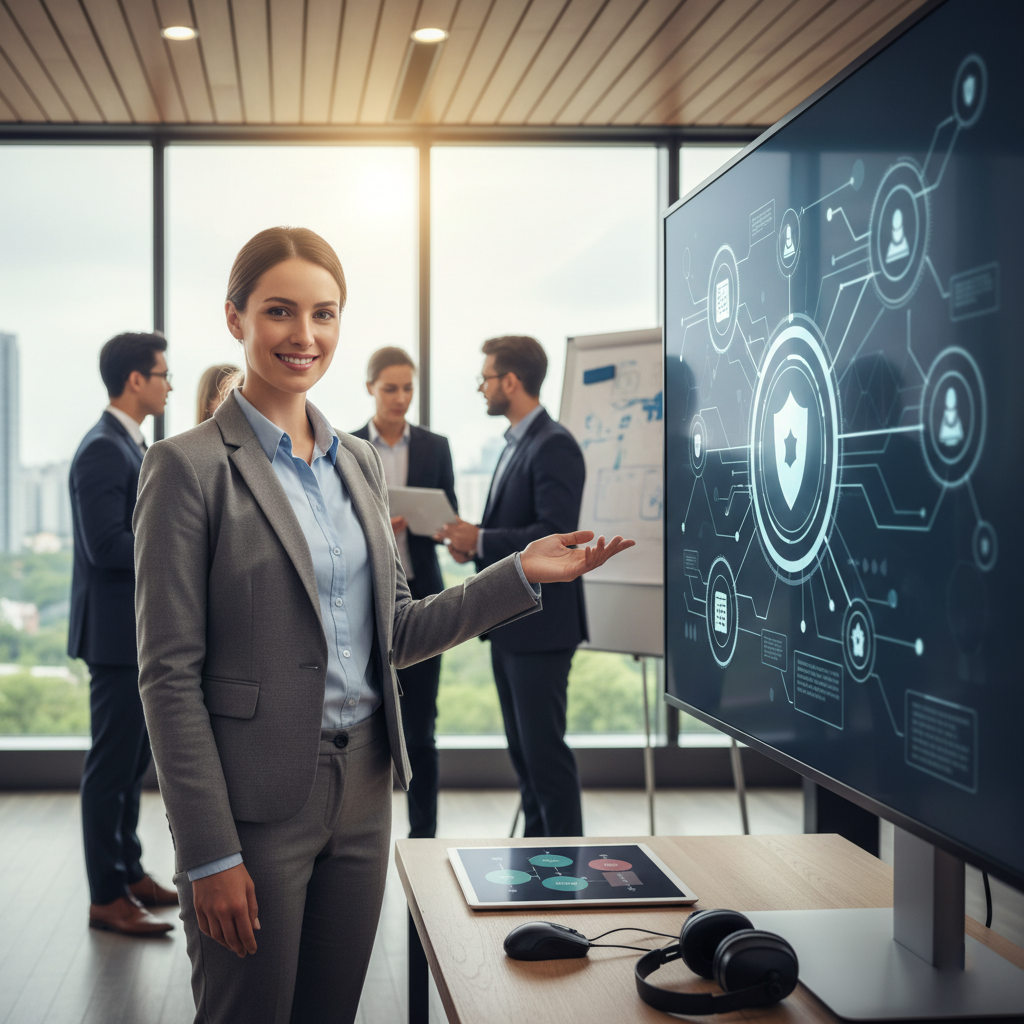
Cybersecurity Resilience Coach
In an era defined by the omnipresence of digital technology and the increasing sophistication of cyber threats, the role of a Cybersecurity Resilience Coach emerges as a vital component of organizational strategy. This innovative profession focuses on enhancing the resilience of individuals and organizations against cyber threats, ensuring that they not only defend against attacks but also recover swiftly and effectively when breaches occur. The Cybersecurity Resilience Coach acts as a mentor and strategist, guiding teams through the complexities of cybersecurity protocols, risk management, and incident response. They leverage advanced technologies, including artificial intelligence and machine learning, to simulate potential cyber threats and develop tailored resilience training programs. This role is not just about preventing breaches; it’s about fostering a culture of cybersecurity awareness and preparedness, empowering employees to recognize vulnerabilities and respond proactively. As organizations increasingly rely on digital infrastructures, the Cybersecurity Resilience Coach becomes an essential ally in navigating the turbulent waters of the Cybernetic Age, where the stakes of cyber warfare are higher than ever.
Timeline
The Evolution of Work
From the printing press to planetary stewardship — six centuries of human labor, adaptation, and reinvention. Scroll to explore the full journey.
The Printing Press
Gutenberg's invention creates the first mass media profession: the printer.
Age of Exploration
Navigators, cartographers, and shipbuilders become essential professions.
Scientific Revolution
Natural philosophers emerge as the precursors to modern scientists.
Skilled Trades Flourish
Blacksmiths, cobblers, and craftsmen form the backbone of pre-industrial work.
Industrial Revolution Begins
Factory workers replace cottage industries; the nature of labor transforms.
Railway Age
Engineers, conductors, and station masters connect nations by rail.
The Typist Era Begins
The typewriter transforms office work, creating new roles for skilled operators.
Telephone Operators Connect
Switchboard operators become essential, linking voices across distances.
Assembly Line Revolution
Mass production changes manufacturing, creating specialized roles.
The Computer Age Dawns
Early computing creates new technical professions while automating calculations.
Personal Computing Spreads
Desktop computers transform office work; typing pools begin to fade.
The Internet Era
Digital connectivity reshapes commerce, communication, and countless careers.
Mobile Revolution
Smartphones create app developers, social media managers, and the gig economy.
AI Integration Begins
Artificial intelligence starts transforming knowledge work and creative fields.
Human-AI Collaboration
New roles emerge focused on guiding and working alongside AI systems.
Quantum Computing Era
Quantum specialists solve previously impossible computational challenges.
Neural Interface Specialists
Brain-computer interfaces create new fields in human augmentation.
Space Economy Expands
Orbital construction workers and asteroid miners become reality.
Planetary Stewardship
Climate architects and ecosystem engineers restore and maintain Earth's balance.
Consciousness Engineering
Mind-body specialists help humans navigate digital-biological integration.
Interplanetary Workforce
Mars colonization creates demand for terraformers and space habitat managers.
Post-Scarcity Curators
Meaning architects help humanity find purpose in an age of abundance.